Balance, flavour and colour, all in one dish.
A trend with a Mediterranean twist
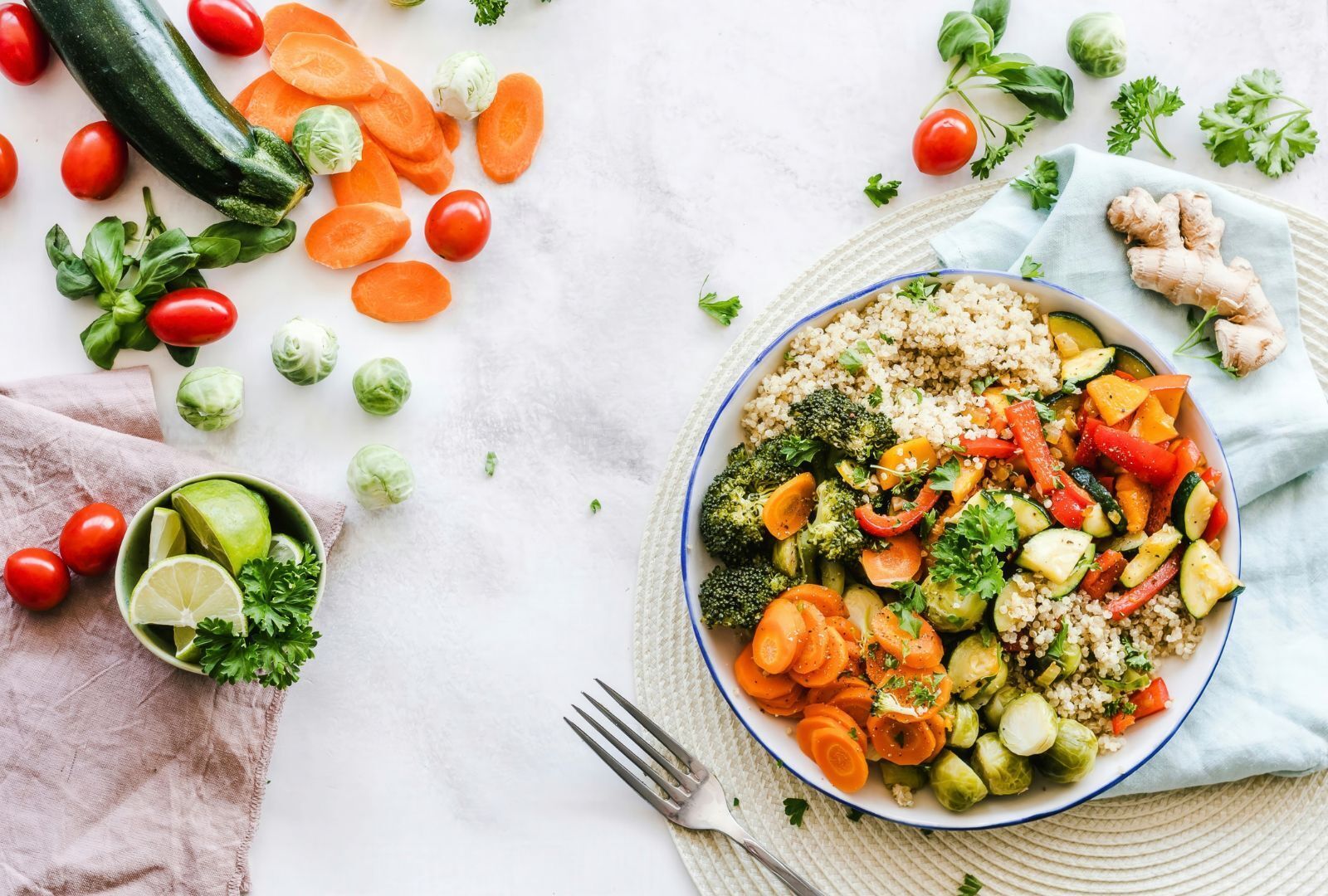
Increasingly featured on café and restaurant menus, bowls originated in Eastern culinary traditions and have since been reinterpreted in many countries around the world. Their success is easy to understand: a single bowl brings together grains, vegetables, a source of protein and a dressing, creating a complete, convenient meal that is also visually appealing.
The concept lends itself perfectly to a Mediterranean interpretation: simply swap exotic ingredients for local ones.
Balance in a bowl
The strength of these dishes lies in their simplicity. A grain provides the base, while seasonal vegetables add colour, fibre, vitamins and minerals. A different source of protein each time – chosen from pulses, dairy products, eggs, fish or meat – helps create a nutritionally balanced meal, while extra virgin olive oil provides high-quality fats and brings all the ingredients together harmoniously.
Varying the grains, vegetables and protein sources means creating a different bowl every time, according to seasonal availability and personal taste. In summer in particular, tomatoes, courgettes, aubergines, peppers, cucumbers, green beans and leafy salads make it easy to prepare light, colourful and flavourful dishes.
The aromas of Mediterranean cuisine
What really makes a Mediterranean bowl special are the details. Aromatic herbs such as basil, mint, oregano, thyme, marjoram, chives and parsley add fragrance and freshness, help reduce the amount of salt needed and are traditionally appreciated for their digestive properties.
More than just a recipe, the bowl is a way of interpreting food: simple, varied, convivial and designed to make the most of seasonal ingredients when they are at their best.
Four Mediterranean bowls for your holiday
The recipes we suggest can also be prepared in advance and enjoyed warm or at room temperature. You can store the grains and other ingredients separately and assemble the bowls shortly before serving, keeping their colours and textures distinct. Alternatively, you can mix everything together from the start and then divide the mixture among the bowls.
If you prefer to enjoy them freshly prepared, serve them while still warm, fragrant and inviting. We have chosen minimally refined grains; to save time, you can cook larger batches, store them in the refrigerator and use them for two different recipes, or opt for quick-cooking varieties.
Spelt, courgette and Valtellina Casera PDO Bowl
Spring–Summer
Vegetarian
Preparation: 20 minutes
Cooking: 50 minutes
Easy
Prepare in advance
Ingredients for 4 people
250 g hulled spelt, preferably organic; 4 small, tender courgettes; 1 garlic clove; 1 small onion; 200 g cherry tomatoes; 80 g Valtellina Casera PDO, thinly shaved; 3–4 tablespoons extra virgin olive oil; 1 tablespoon grated lemon zest; fresh basil and mint; ground coriander; salt to taste.
Method
- Rinse the spelt and soak it for at least a couple of hours. Cook in plenty of lightly salted water for about 40–50 minutes, until al dente.
- Meanwhile, wash the vegetables and herbs.
- Slice the courgettes into rounds and gently cook them in a heavy-bottomed pan with a little oil, the garlic and thinly sliced onion. Keep the courgettes slightly crisp and season with fresh mint.
- Cut the cherry tomatoes into quarters and place them in a bowl. Dress with 1 tablespoon of olive oil and a few torn basil leaves. Mix and divide among 4 bowls. Add the drained spelt while still warm, followed by the courgettes, a sprinkling of ground coriander, the grated lemon zest and a drizzle of olive oil.
- Before serving, top with shavings of Valtellina Casera PDO.
Variations
Try replacing the spelt with pearl barley. Instead of courgettes, use boiled green beans. For a higher-protein version, add two chopped hard-boiled eggs. For a vegan alternative, replace the cheese with tofu gently cooked with MSG-free soy sauce.
Brown rice and chickpea bowl
Summer
Vegetarian, vegan, gluten-free
Preparation: 20 minutes
Cooking: 45 minutes
Easy
Best prepared in advance
Ingredients for 4 people
250 g brown rice, preferably organic, or a quick-cooking variety; 250 g cooked chickpeas (or 120 g dried chickpeas, soaked and boiled); 1 red pepper; 150 g cherry tomatoes; 1 cucumber; 1 spring onion; a handful of basil leaves; a few sprigs of parsley; fresh oregano (or a pinch of dried oregano); juice of ½ lemon; 3–4 tablespoons extra virgin olive oil; salt to taste.
Method
- Rinse the rice and cook it in plenty of lightly salted water. Drain and leave to cool.
- Meanwhile, wash the vegetables and herbs.
- Roast the pepper in the oven or on a griddle, remove the skin and cut it into strips.
- Dice the cucumber without peeling it, halve the cherry tomatoes and finely slice the spring onion.
- Combine all the ingredients in a large bowl. Add the well-drained chickpeas, torn basil leaves and roughly chopped parsley. Dress with extra virgin olive oil, lemon juice and oregano. Adjust the salt if necessary.
- Leave to rest for about 30 minutes to allow the flavours to blend, then divide among 4 bowls and garnish with basil before serving.
Variations
Instead of brown rice, try millet, red rice or couscous. Add black olives or capers for a more intense flavour. Sunflower seeds, pumpkin seeds or almonds add a pleasant crunch. For an even fresher version, add a few torn mint leaves.
Barley, aubergine and egg bowl
Summer
Vegetarian
Preparation: 30 minutes
Cooking: 40 minutes
Easy
Prepare in advance
Ingredients for 4 people
250 g hulled barley; 2 aubergines; 2 eggs; 200 g cherry tomatoes; 2 tablespoons capers, rinsed to remove excess salt; about 10 pitted Taggiasca olives; fresh oregano; grated zest of ½ lemon; 3–4 tablespoons extra virgin olive oil; salt to taste.
Method
- Rinse the barley and soak it overnight. Drain, rinse again and cook it in lightly salted water – approximately twice its volume – until the water has been completely absorbed and the grains are still al dente. Leave to cool slightly.
- Meanwhile, slice the aubergines, brush them lightly with olive oil and grill them, then cut them into strips. Hard-boil the eggs, peel them and cut them into quarters.
- Combine the barley, aubergines, halved cherry tomatoes, capers and olives in a large bowl.
- Dress with the olive oil, grated lemon zest and oregano. Adjust the salt if necessary. Finally, add the eggs and mix gently, taking care not to break them up too much.
Variations
For a richer flavour, add a few shavings of Valtellina Casera PDO. If you prefer, the eggs can be replaced with cooked chickpeas or cannellini beans, while spelt, couscous or brown rice also work well instead of barley.
Buckwheat bowl with herbed yoghurt
Summer
Vegetarian, gluten-free
Preparation: 20 minutes
Cooking: 20–25 minutes
Easy
Ingredients for 4 people
280 g hulled buckwheat; 200 g plain natural yoghurt; 1 cucumber; 150 g cherry tomatoes; 40 g shelled hazelnuts; 1 bunch of chives; a few mint leaves; a few parsley leaves; juice of ½ lemon; 3 tablespoons extra virgin olive oil; salt to taste.
Method
- Cook the buckwheat in plenty of lightly salted water, drain and leave to cool.
- Wash the cucumber and cut it into small cubes. Halve the cherry tomatoes and roughly chop the hazelnuts.
- Prepare the dressing in a small bowl by mixing the yoghurt with the lemon juice, finely chopped chives, chopped mint and parsley, 1 tablespoon of olive oil and a pinch of salt.
- Combine the buckwheat, cucumber, cherry tomatoes and hazelnuts in a large bowl. Add the yoghurt dressing and mix gently. Leave to rest in the refrigerator for about 20 minutes before serving.
Variations
For a creamier texture, replace the yoghurt with fresh ricotta, blended with a little milk or water until smooth and creamy. For a vegan version, use soy or almond yoghurt. The buckwheat can also be replaced with brown or red rice, while retaining all the freshness of the dish.

Carla Barzanò
Carla Barzanò, dietitian and journalist, is an expert in food education and the author of several books dedicated to children and families. Since 1989, she has led cooking and tasting workshops for both adults and children.
She has designed and coordinated numerous taste education projects, continuously monitored and updated through an action-research methodology, with the aim of enhancing the everyday dimensions of eating. Through these initiatives, she has engaged with a wide and diverse audience across all age groups.
She is committed to promoting practices for sustainable nutrition in line with the objectives of the United Nations 2030 Agenda.