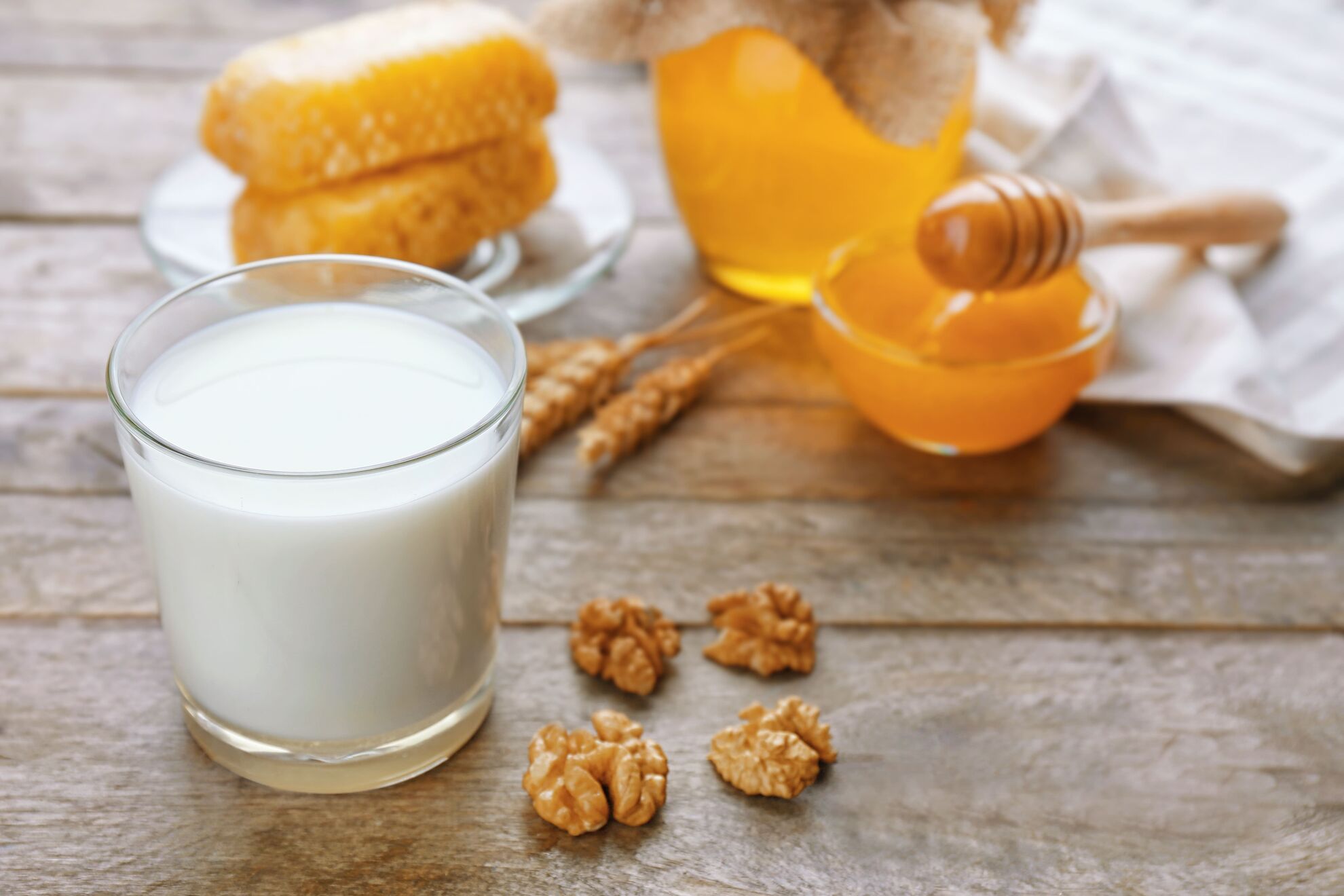
An ancient and symbolic ingredient, honey has accompanied humankind since the earliest times as a food, a remedy, and a metaphor for well-being. Present in myths, sacred texts, and everyday cuisine, it is a complex natural product that combines cultural, nutritional, and environmental value. Understanding it better allows us to appreciate its sweetness with balance and awareness.
Honey in mythology and history
Greeks and Romans considered it a food of the gods, capable of granting vigor and longevity. Hippocrates recommended it as a restorative; the Egyptians also used it for preserving bodies, while in the Middle Ages it was one of the few sweeteners available in Europe.
In the Bible, honey symbolizes abundance and prosperity: the well-known expression “a land flowing with milk and honey” clearly conveys its value as an emblem of wealth, well-being, and gift. Before the advent of cane and beet sugar, honey was in fact the main ally of both cooking and household medicine.
Today, however, it is an ingredient that risks losing its place. The widespread fear of sweets, often fueled by oversimplified dietary theories amplified by social media, sometimes relegates even this ancient food among the “sugars to avoid.” In reality, honey is a natural and complex ingredient that, when used with moderation and awareness, can easily fit into a balanced diet, satisfying our ancestral desire for sweetness.
Honey in the diet
Compared with refined sugar, obtained through industrial processes, honey is a natural product. It contains more water and is slightly less caloric; it also has a higher sweetening power thanks to its high fructose content. This means that smaller quantities can be used to achieve the same level of sweetness.
It is a source of rapidly available energy, useful in cases of fatigue, intense physical or mental activity, during recovery periods, and to accompany herbal infusions and hot drinks. Vitamins and minerals are present only in trace amounts, but honey contains enzymes, antibacterial substances, and plant-derived compounds that are still partly under study and are responsible for its well-known soothing and protective properties. Some studies also suggest that honey may act as a natural excipient, helping improve the absorption and bioavailability of certain active compounds, particularly in traditional oral and herbal preparations.
Like all sweeteners, however, it should be used in moderation, especially in the presence of diabetes. A reasonable measure is one or two tablespoons per day, replacing, rather than adding to, other sugars.
Choosing quality: varieties and aromas
Every honey tells the story of the territory from which it comes and the raw materials collected by bees. Nectar honeys may be light and delicate or intense and aromatic; honeydew honeys are generally darker, less sweet, and characterized by resinous or “malty” notes. Some honeys remain fluid for a long time, while others crystallize quickly, developing creamy or compact textures. Their aromatic profile can range from floral to balsamic, with hints that may even be bitter or spicy. The choice depends on culinary use and personal taste: there is no honey that is “best” in absolute terms, only the one most suited to the context.
Honey, bees, and the environment: a complex issue
An important reason to value honey is its connection with the environment. Bees from just a few hives can visit millions of flowers every day within a radius of several kilometers, contributing to pollination and the preservation of biodiversity.
In recent years, however, some voices have raised criticism of beekeeping, arguing that raising bees for honey does not bring real benefits to ecosystems.
This is a reflection that deserves attention. As often happens, the answer is not unequivocal: there are intensive practices that show little respect for insects, but there is also responsible and artisanal beekeeping that protects bees, preserves landscapes, and fosters a balanced relationship between humans and nature. Once again, the difference lies in the quality and awareness of our choices.
Honey in the kitchen: how to use it
In the kitchen, honey is a surprisingly versatile ingredient. It can sweeten yogurt and beverages, glaze meats, enhance roasted vegetables, accompany cheeses, and become the star of sauces and desserts. Using it raw or at the end of cooking allows its aromas and properties to be better appreciated.
Traditionally, honey is also used in hot milk-based drinks: a widespread home remedy for the throat and voice, providing mainly a soothing and emollient effect that can be helpful in cases of irritation or fatigue. As in the “honeymoon” from which it takes its name, this ancient food reminds us that sweetness should not be eliminated, but recognized, chosen, and measured: not an excess to fear, but a balance to cultivate.
A world of honeys: aromas and identity
Wildflower honeys reflect the biodiversity of a territory and can vary from year to year. Monofloral honeys, on the other hand, express more distinct characteristics: heather honey offers intense, slightly bitter profiles with a jelly-like texture; rapeseed honey produces light-colored, delicate honeys that are naturally creamy; conifer honeydew honeys are dark, less sweet, with malty and resinous notes.
Alongside these are rare and prized honeys, such as manuka honey, known for the presence of methylglyoxal, a compound currently being studied for its antimicrobial properties, with effects mainly in the oral cavity.
4 kitchen ideas with honey
Yogurt, honey and walnuts
Mix plain yogurt with a spoonful of honey – for example wildflower or acacia – then add chopped walnuts and fresh seasonal fruit. A simple and tasty breakfast.
Valtellina Casera PDO, honey and pears
Serve cubes or thin slices of Valtellina Casera PDO with a drizzle of linden or wildflower honey and a few slices of pear, creating a balanced and aromatic sweet-and-savory contrast.
Oven-roasted carrots glazed with honey
Cut the carrots into sticks and season them with extra virgin olive oil, salt, and a small amount of linden honey. Roast in the oven until golden and lightly caramelized.
Spiced chai with milk and honey
Heat milk with black tea, fresh ginger, cinnamon, cardamom, and cloves. Strain and sweeten with honey added at the end of the preparation. A beverage rooted in Ayurvedic tradition, appreciated for its warming and comforting effect.
References
Crane, E. The World History of Beekeeping and Honey Hunting. 1999.
Cianciosi, D. et al. Honey, Human Health and Nutrition: Recent Advances. Nutrients, 2024.
Olas, B. Biological Properties of Honey – New Perspectives. Antioxidants, 2024.
Alvarez-Suarez, J.M. et al. Honey Bioactive Compounds and Health Effects: An Updated Review. Journal of Functional Foods, 2025.

Carla Barzanò
Carla Barzanò, dietitian and journalist, is an expert in food education and the author of several books dedicated to children and families. Since 1989, she has led cooking and tasting workshops for both adults and children.
She has designed and coordinated numerous taste education projects, continuously monitored and updated through an action-research methodology, with the aim of enhancing the everyday dimensions of eating. Through these initiatives, she has engaged with a wide and diverse audience across all age groups.
She is committed to promoting practices for sustainable nutrition in line with the objectives of the United Nations 2030 Agenda.