Are we really eating too many carbohydrates? Do bread and pasta make us gain weight? In this edition of Pillole di Coraggio, we separate myths from scientific evidence, exploring which carbohydrates to choose, how much to eat, and when reducing their intake might be beneficial. Because eating a balanced diet doesn't mean giving up the foods we enjoy, but learning to make informed choices.
Pasta, bread and potatoes: friends or foes when it comes to weight management?
Carbohydrates have frequently been at the centre of nutritional debates in recent years. Even SINU, the Italian Society of Human Nutrition, has recently highlighted the topic through its social media channels. This provides an opportunity to revisit a simple question: are we really eating too many carbohydrates, or have we simply learned to fear them?
Bread, pasta and rice are often blamed for weight gain, and cutting them out is presented as a shortcut to better health. But nutrition is more complex than that: what matters is not just how many carbohydrates we consume, but which ones we choose, in what quantities, and how they fit into our overall diet.
Why do we need carbohydrates?
Carbohydrates are an important source of energy for the body. The glucose produced during their digestion is used by our cells and is particularly important for the brain and for muscles during physical activity.
Carbohydrates are therefore not a nutrient that should automatically be eliminated from our diet. Instead, the key is learning to distinguish between different food sources and incorporate them into a varied, balanced diet.
Which carbohydrates should we choose?
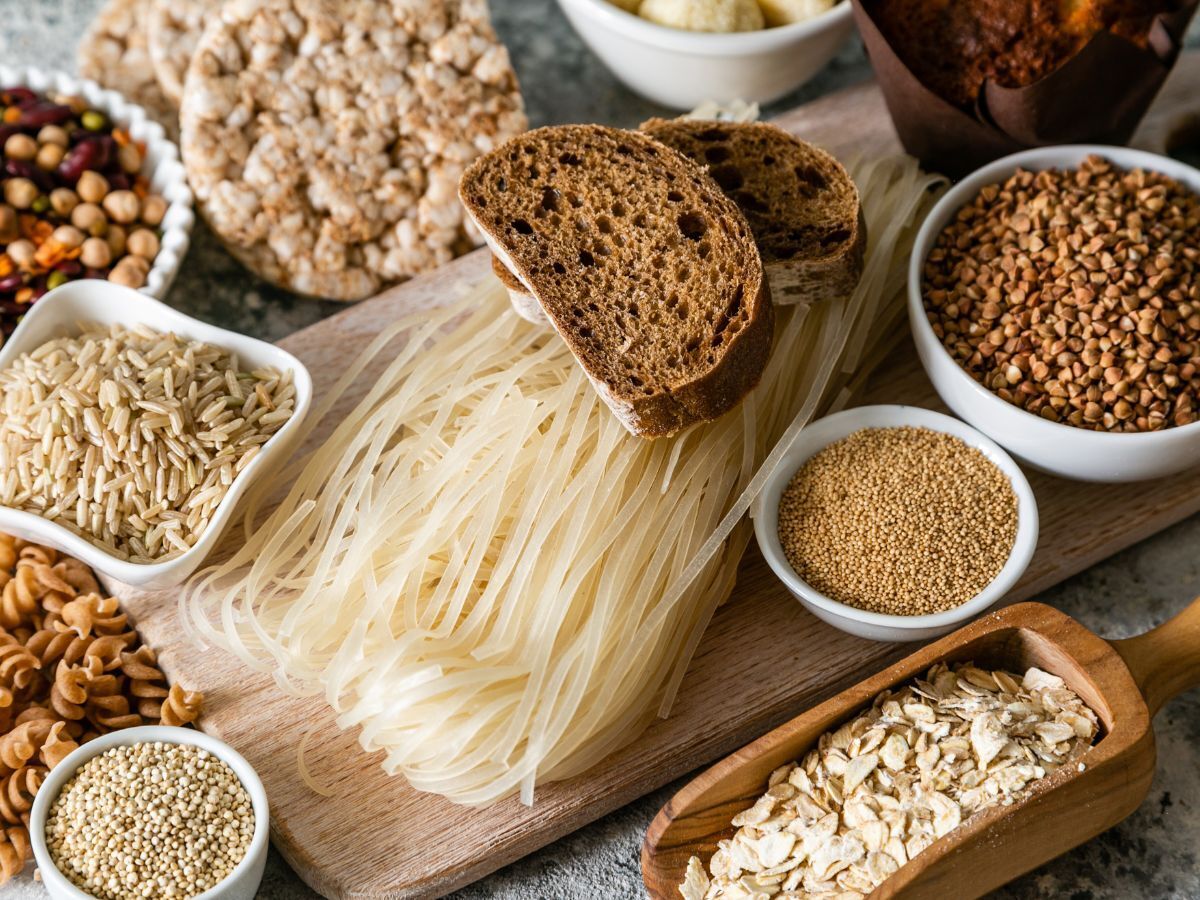
Bread, pasta, rice, corn, oats and other grains, along with legumes, fruit and vegetables, provide carbohydrates as well as other valuable nutrients.
Whole grains and legumes, in particular, contribute to our fibre intake, which is important for healthy digestion and metabolic health. Depending on the type of food and the composition of the meal, fibre can also slow down sugar absorption.
Sugary drinks, sweets and foods high in added sugars are a different matter, and their consumption should be limited. Not because they are all completely off-limits, but because how often and how much we consume them affects the overall balance of our diet.
The distinction, therefore, is not simply between good and bad carbohydrates, but rather between foods with different nutritional characteristics.
How many carbohydrates should we eat?
The fifth revision of the LARN (Reference Intake Levels of Nutrients and Energy for the Italian Population) recommends that carbohydrates provide 45–60% of adults' total daily energy intake.
This is a general reference range for an overall balanced diet, not a fixed recommendation that applies equally to everyone. Energy requirements vary depending on age, body size, physical activity and individual circumstances.
In practice, there is no universally appropriate portion of pasta or bread. Portion sizes matter, but so do the other foods included in a meal and our overall dietary choices throughout the day. A plate of pasta with vegetables and legumes, for example, provides a very different nutritional combination from a meal consisting mainly of foods high in added sugars.
Low-carbohydrate diets: when can they be useful?
Low-carb diets reduce the proportion of energy obtained from carbohydrates, while ketogenic diets restrict carbohydrate intake much more significantly.
In certain situations, particularly as part of personalised weight-management programmes or when addressing specific metabolic conditions, these approaches may be considered. Recent research confirms that they can lead to improvements in certain health markers, although results vary depending on the population studied, the type of diet and the outcomes measured.
They are therefore not a universal solution, nor necessarily the best choice for everyone. The quality of the foods used to replace carbohydrates is also important: cutting back on bread and pasta is not enough if they are replaced mainly with foods high in saturated fat or if doing so means giving up important sources of fibre.
For people with diabetes, other medical conditions or those taking medication, significant dietary restrictions require professional assessment. It is best to avoid drastic do-it-yourself diets promoted on social media.
The benefits of complex carbohydrates
Grains, bread, pasta and legumes can all contribute to a balanced diet, providing energy and, depending on the food, fibre, vitamins and minerals. Choosing whole grains regularly, varying the types of grains we eat and including legumes in our meals means getting much more than just carbohydrates: it also means enjoying foods rich in nutrients and other components that support good health.
However, not all complex carbohydrates have the same effects. The degree of processing, the structure of the food, its fibre content and the composition of the meal all play a role. This is another reason why it is better to focus on food sources rather than simply on the name of a nutrient.
Making informed choices, not giving things up
Eating well does not mean being afraid of a particular nutrient. It means understanding foods and learning how to include them in a balanced daily diet.
Scientific evidence encourages us to look beyond simplistic distinctions: carbohydrates or no carbohydrates, whole grains or refined grains, traditional diets or low-carb diets.
Individual needs matter, but for the general population, dietary variety, food quality and sustainable eating habits remain essential principles.
Five tips for making balanced choices
- Vary your carbohydrate sources: pasta, rice, bread, oats, corn and other grains can all be part of your weekly diet.
- Choose whole grains and legumes regularly: they help add variety to your diet and increase your fibre intake.
- Build varied meals: combine grains with vegetables and sources of protein, adjusting portion sizes to your individual needs.
- Limit added sugars: pay particular attention to sugary drinks and the frequent consumption of foods high in added sugars.
- Be wary of drastic restrictions: if you need to make significant dietary changes for health reasons, seek advice from a qualified healthcare professional.
Key references
Italian Society of Human Nutrition (SINU) (2024). LARN – Reference Intake Levels of Nutrients and Energy for the Italian Population. Fifth Revision. Biomedia, Milan. (Also available through the official SINU website: https://sinu.it/larn/)
World Health Organization (2023). Carbohydrate intake for adults and children: WHO guideline. Official publication providing recommendations on carbohydrate quality, dietary fibre and preferred food sources. https://www.who.int/publications/i/item/9789240073593

Carla Barzanò
Carla Barzanò, dietitian and journalist, is an expert in food education and the author of several books dedicated to children and families. Since 1989, she has led cooking and tasting workshops for both adults and children.
She has designed and coordinated numerous taste education projects, continuously monitored and updated through an action-research methodology, with the aim of enhancing the everyday dimensions of eating. Through these initiatives, she has engaged with a wide and diverse audience across all age groups.
She is committed to promoting practices for sustainable nutrition in line with the objectives of the United Nations 2030 Agenda.